Choosing the right bathroom tile is essential for style, durability, and value. This guide addresses user intent with expert insights on tile types, design ideas, installation basics, and ongoing care to help you make informed decisions with confidence.
Tile types and where they shine
Porcelain tile
Porcelain is dense, water-resistant, and highly versatile for both floors and walls. Its low water absorption makes it ideal for wet zones, while glaze or through-body finishes offer a wide range of looks. For high-traffic bathrooms, porcelain offers durability that resists chipping and staining.
Ceramic tile
Ceramic is a budget-friendly option that works well on walls and light-use floors. It comes in countless patterns and colors, making it easy to create cohesive backsplashes or feature walls. Note that its strength is generally lower than porcelain, so be mindful of floor use in busy households.
Natural stone tile
Stone such as marble, slate, and travertine delivers a timeless, luxurious feel. Each piece is unique, adding natural variation to your space. However, natural stone requires sealing to protect against moisture and stains and ongoing maintenance to preserve the finish.
Glass and mosaic tiles
Glass tiles reflect light to brighten small bathrooms and create a sense of depth. Mosaic sheets enable intricate patterns and textures. They can be slippery on floors and may require careful installation and professional adhesive choices in damp zones.
Design ideas and trends
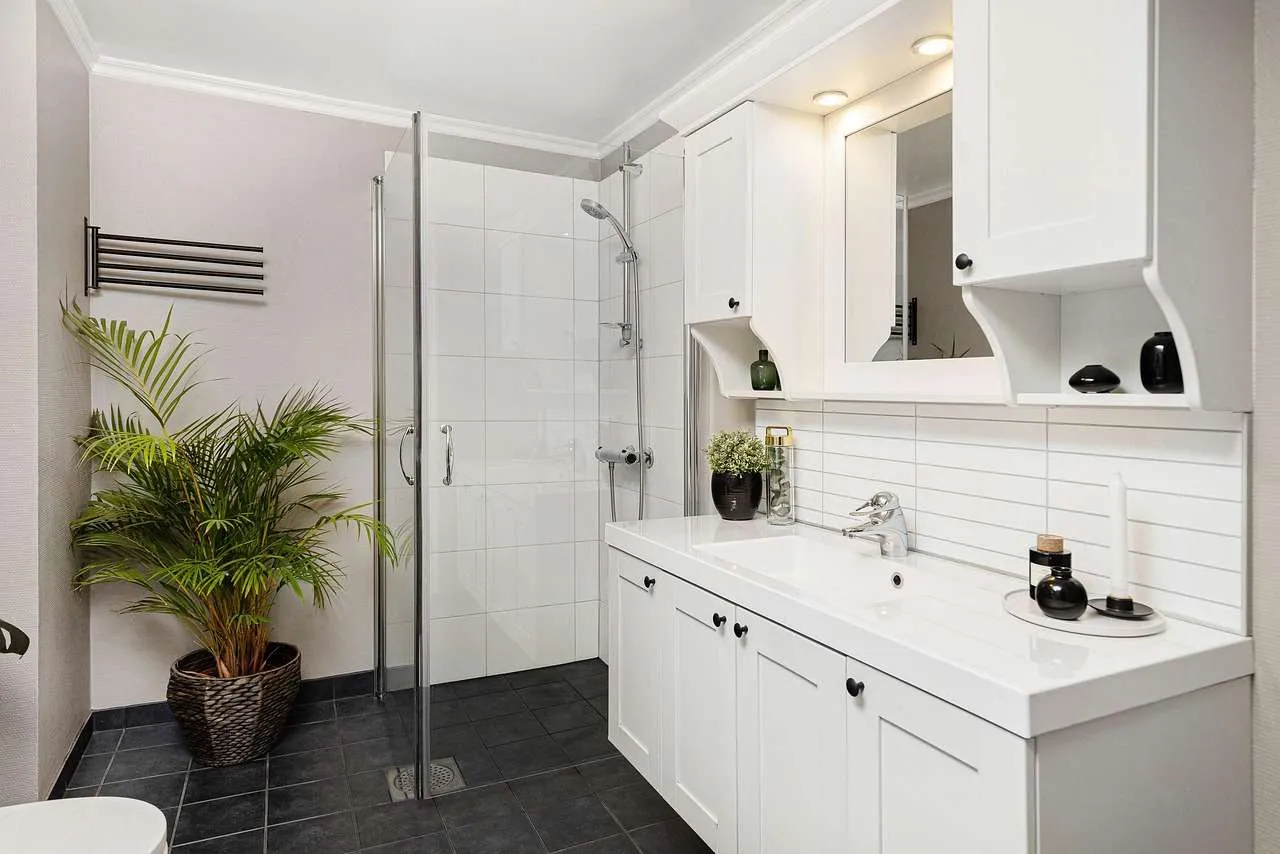
Consider neutral palettes with bold accents, large-format tiles to minimize grout lines, and contrasting grout for a striking look. Use a trend-forward tile as a shower niche or a vanity backsplash to create focal points. Mixing textures—matte floors with glossy wall tiles—adds depth without overwhelming the space.
Durability, maintenance, and care
Durability hinges on material, finish, and installation quality. Porcelain and ceramic floors benefit from slip-resistant finishes and proper subfloor preparation. Natural stone requires sealing and periodic resealing to guard against moisture and staining. Grout is a common maintenance area; choose epoxy grout for damp zones to reduce staining and mildew, or cement-based grout with regular sealing for a more budget-friendly option.
Installation basics
Preparation sets the stage for a lasting install: ensure a dry, clean subfloor or backing, and apply appropriate waterproofing in wet areas. Layout planning should prioritize straight lines on walls and showers, with symmetry around vanities. For curing and adhesion, follow manufacturer guidelines for tile size, thinset, and back-buttering when needed. Finishes matter: select grout colors that complement or contrast intentionally, and consider sealants for natural stone or mold-prone areas. If you’re unsure, hiring a qualified installer can protect your investment.
Comparison at a glance
| Tile Type | Pros | Cons | Best For |
|---|---|---|---|
| Porcelain | Highly durable, low water absorption, broad style range | Can be harder to cut; some lines are costly | Floors, showers, high-traffic bathrooms |
| Ceramic | Affordable, easy to install, great for walls | Less durable on floors; limited moisture resistance | Walls, backsplashes, light-use floors |
| Natural Stone | Luxurious, unique beauty | Sealing required, can stain if not maintained | Showers, vanity surrounds, statement floors |
| Glass/Mosaic | Brightens spaces; flexible design options | Slippery on floors; delicate and higher maintenance | Showers, accents, trims |
How to choose your tile plan
- Assess moisture exposure and slip resistance (look for appropriate R-values and anti-slip finishes).
- Choose tile size relative to space: larger formats minimize grout lines in smaller baths; consider smaller mosaics for curved surfaces or niches.
- Coordinate with vanity finishes, metal hardware, and grout color to create a cohesive look.
- Budget for underlayment, adhesives, grout, and professional installation if needed.
Maintenance tips for longevity
Develop a routine that matches tile material. Wipe down glass or porcelain surfaces to prevent soap scum; seal natural stone annually or as recommended; clean grout with a pH-neutral cleaner and re-seal stone and grout as required. Promptly address spills to avoid staining, and use mats or rugs in wet zones to reduce moisture exposure on floors.
Conclusion
Conclusion, selecting bathroom tile involves balancing durability, style, and maintenance. Porcelain is a versatile staple; natural stone offers luxury with proper sealing and care; glass or mosaic accents brighten spaces. Plan layout, choose appropriate finishes, and seal where required to ensure a lasting, elegant bathroom.